Optimising the actuarial function beyond 2026: A roundtable on the continued impact of AI and the softening market


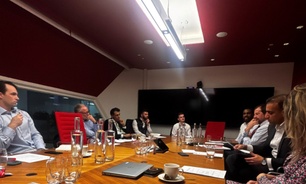
On Tuesday, 6 October, I hosted eight senior actuarial leaders including Group Chief Actuaries and Chief Pricing Officers at Eames Consulting’s offices in London for a private discussion roundtable. The agenda explored how the actuarial function is adapting to shifting business demands so that it can remain effective and impactful in Q4 and beyond 2026.
At a May actuarial roundtable exploring similar themes, a key takeaway was that actuaries need to become more adaptable, bridging underwriting, claims, and analytical functions. We also examined the impact of AI on the market, from adoption to use case limitations. How has that conversation evolved?
Growing concerns of a succession and skills gap
Our previous roundtable raised the question of how overreliance on AI may impact the ability of junior talent to understand syntax or reasoning beyond outputs and build valuable actuarial skills. The conversation has shifted to a different risk concerning junior talent and progression: the growing succession and skills gap.
As insurers automate the lower-level work which has traditionally been performed by juniors, senior leaders say that many firms are not taking on junior staff.
This could create a widening gap skills gap within three to five years as a result, as fewer people with potential to become actuarial managers and leaders enter the pipeline and gain the experience and actuarial skill set required in senior roles.
Attendees are aware of the risk, but say few insurers are acting on it, with many not hiring actuarial trainees at graduate level. The general view among attendees was that firms need to break the trend for others to follow.
Actuarial leaders anticipate increased AI governance, regulation and societal backlash
Attendees discussed how unevenness in AI buy-in across society could lead to backlash.
At our previous roundtable, one leader reported that 97% of team members were using AI in some capacity in daily operations. Yet leaders expect regulation to increase, potentially limiting the ways insurers can use the technology.
What the continued impact of the softening market means for actuarial talent
The impact of the softening market was a continued discussion point from our previous actuarial roundtable.
Attendees shared that attrition has been lower this year due to people being less likely to move in a softer market where headcount is under closer scrutiny.
Before, actuarial leaders anticipated needing to fight for their teams due to the back-office nature of actuarial work making it vulnerable to margin-driven cuts, given lower visibility than more transparently commercial domains.
This is still the case, with one attendee saying:
“The harder market softened our influencing skills, now the softer market needs to harden them.”
Under the harder market, underwriters were happy with the numbers actuaries were giving them. Now, senior actuarial leaders agreed that actuaries need to stand firm and defend their numbers and not cede too easily to what underwriters want.
Optimising the actuarial function beyond 2026
As actuarial roles have potential to become increasingly more niche and specialised, senior actuarial leaders are concerned that their teams could become bored and look elsewhere. The challenge for insurers is how to ensure work remains challenging and engaging, even as focus on more niche, higher-value work increases.
At our previous roundtable, the need for actuaries to be adaptable and apply human and commercial judgement was identified as important. Now, communication and collaboration inform what best-in-class capability looks like.
Leaders also say that in 2026 and beyond, the typical actuarial role requires communication to be clear, concise and cross-team. Teams need to understand what is happening in the business and how their work affects other areas.
These events provide valuable opportunities to exchange insights with other actuarial leaders about challenges and opportunities facing the market. Thank you to the leaders who joined the discussion and shared their perspective.
If you would like to attend future events for actuarial leaders or would like to discuss building a best-in-class actuarial team, speak to Hannah or our team of actuarial specialists.